Why Do Some Uterine Fibroids Cause No Symptoms?
Wiki Article
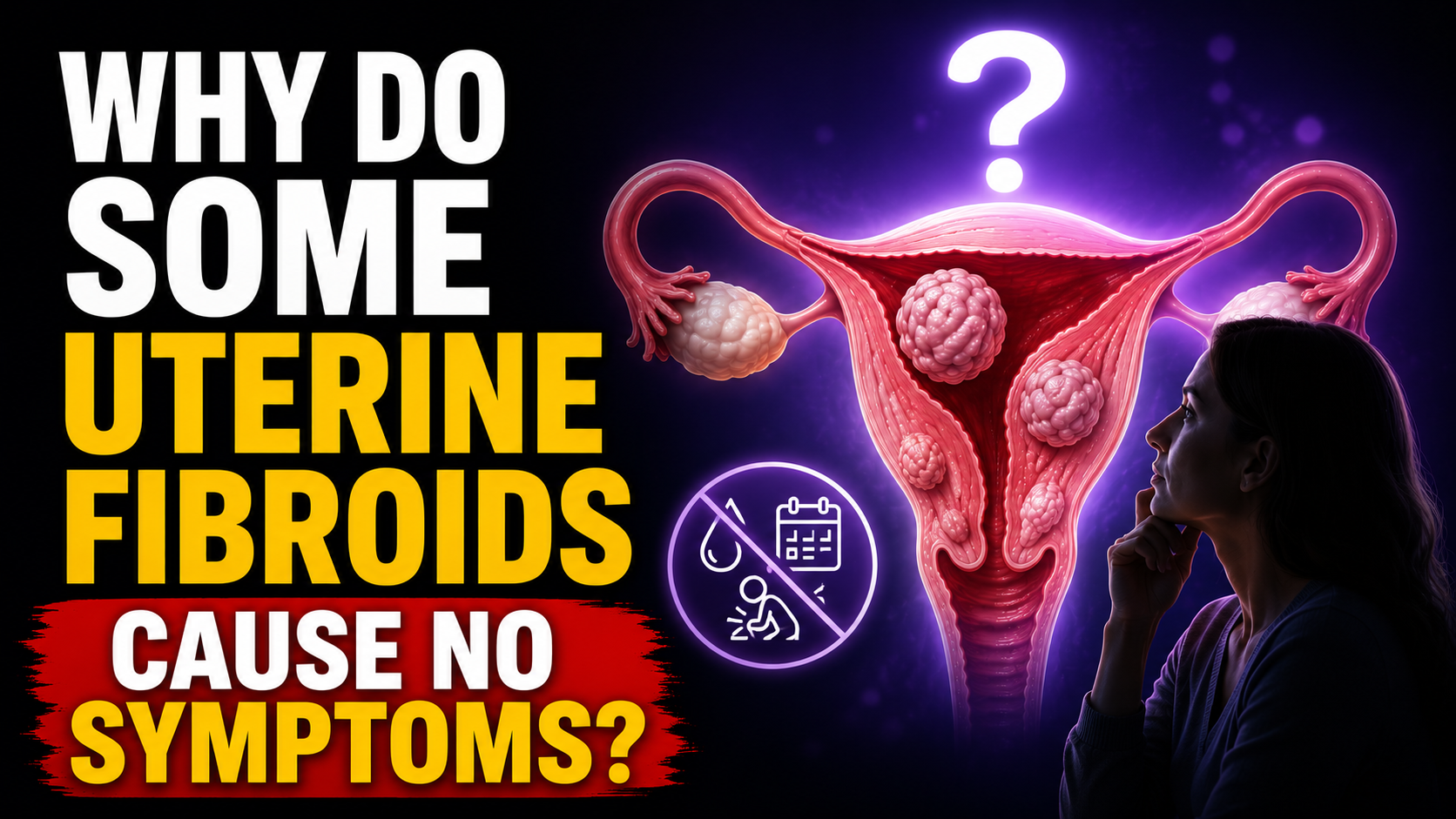
Learning that you have uterine fibroids without experiencing any symptoms can be confusing. Many women wonder whether treatment is necessary or if the condition will eventually become a problem. The reassuring news is that not all fibroids behave the same way. Understanding why some uterine fibroids remain silent helps explain why doctors sometimes recommend monitoring instead of immediate treatment.
What Are Uterine Fibroids?
Uterine fibroids are non-cancerous growths that develop from the muscular wall of the uterus.
They vary widely in:
Size
Number
Location
Growth rate
According to the American College of Obstetricians and Gynecologists (ACOG), fibroids are one of the most common benign tumors affecting women during their reproductive years.
Many women have fibroids without ever knowing they are present.
Why Do Some Fibroids Cause No Symptoms?
Symptoms depend on more than simply having a fibroid.
Many silent fibroids remain small or grow in areas where they do not interfere with the uterus, bladder, bowel, or surrounding pelvic structures.
If the fibroid does not affect nearby organs or the uterine lining, a woman may continue living normally without any noticeable changes.
This explains why two women with similar-sized fibroids may have completely different experiences.
Does the Location of a Fibroid Matter?
Yes.
Location is one of the biggest reasons some fibroids remain symptom-free.
Fibroids growing within the muscular wall of the uterus may produce few symptoms for many years.
Others develop on the outer surface of the uterus, where they have little effect on menstrual bleeding.
By comparison, fibroids growing inside the uterine cavity are more likely to cause:
Heavy menstrual bleeding
Longer periods
Fertility concerns
The position of the fibroid often influences symptoms more than its size.
Can Large Fibroids Still Cause No Symptoms?
Yes
Although larger fibroids are generally more likely to produce symptoms, size alone does not determine how a woman feels.
Some large fibroids grow outward into the abdomen rather than pressing against the bladder or uterine cavity.
As a result, they may remain surprisingly symptom-free despite their size.
Conversely, relatively small fibroids can produce significant symptoms if they develop in sensitive areas.
Can Silent Fibroids Become Symptomatic Later?
Yes.
Fibroids that are symptom-free today may cause symptoms in the future if they:
Increase in size
Change location
Affect nearby organs
Alter the shape of the uterine cavity
According to the National Health Service (NHS), fibroid symptoms may gradually develop over time rather than appearing suddenly.
This is one reason periodic follow-up is sometimes recommended, even when no symptoms are present.
When Should Medical Review Be Considered?
Even if fibroids were previously symptom-free, medical evaluation is recommended if new symptoms develop, including:
Heavy menstrual bleeding
Pelvic pressure
Frequent urination
Persistent pelvic pain
Rapid abdominal enlargement
Early assessment allows doctors to determine whether the symptoms are related to fibroid growth or another gynecological condition.
Prompt evaluation provides more treatment options if intervention becomes necessary.
Conclusion
Many uterine fibroids never cause symptoms because their size and location do not interfere with the normal function of the uterus or nearby organs. In these situations, monitoring is often more appropriate than immediate treatment. However, symptom-free fibroids should still be evaluated periodically because their behavior can change over time.
The reassuring news is that modern imaging allows doctors to monitor fibroids accurately and recommend treatment only when it becomes necessary. Regular follow-up helps ensure that any changes are identified early while preserving the widest range of management options. Women interested in learning more about minimally invasive fibroid care can consult an interventional radiologist Jaipur to better understand today's uterus-preserving treatment options
Frequently Asked Questions
Why don't some large fibroids cause symptoms?
Large fibroids may grow in areas where they do not affect the uterine cavity or nearby organs, allowing them to remain symptom-free.
Should symptom-free fibroids be treated?
Not always. Many asymptomatic fibroids are monitored regularly unless they begin causing symptoms or complications.
Can symptom-free fibroids become problematic later?
Yes. Fibroids can grow or change over time, which is why periodic medical follow-up may be recommended even when no symptoms are present.
Report this wiki page